Loft conversions in Kings Heath
Kings Heath is mostly late Victorian and Edwardian terraces with rear outriggers, and it has no conservation area. That makes it one of the places in Birmingham where an L-shaped dormer is often possible as permitted development, provided it stays inside the 40 cubic metre allowance for terraced houses.
- Planning authority
- Birmingham City Council
- Conservation areas
- None in Kings Heath (Birmingham's list of 29, June 2026)
- Permitted development limit
- 40 cubic metres for a terraced house
- Typical houses
- Victorian and Edwardian terraces with two-storey rear outriggers
- Postcodes
- B14 (and parts of B13)
Terraces, outriggers and the L shape
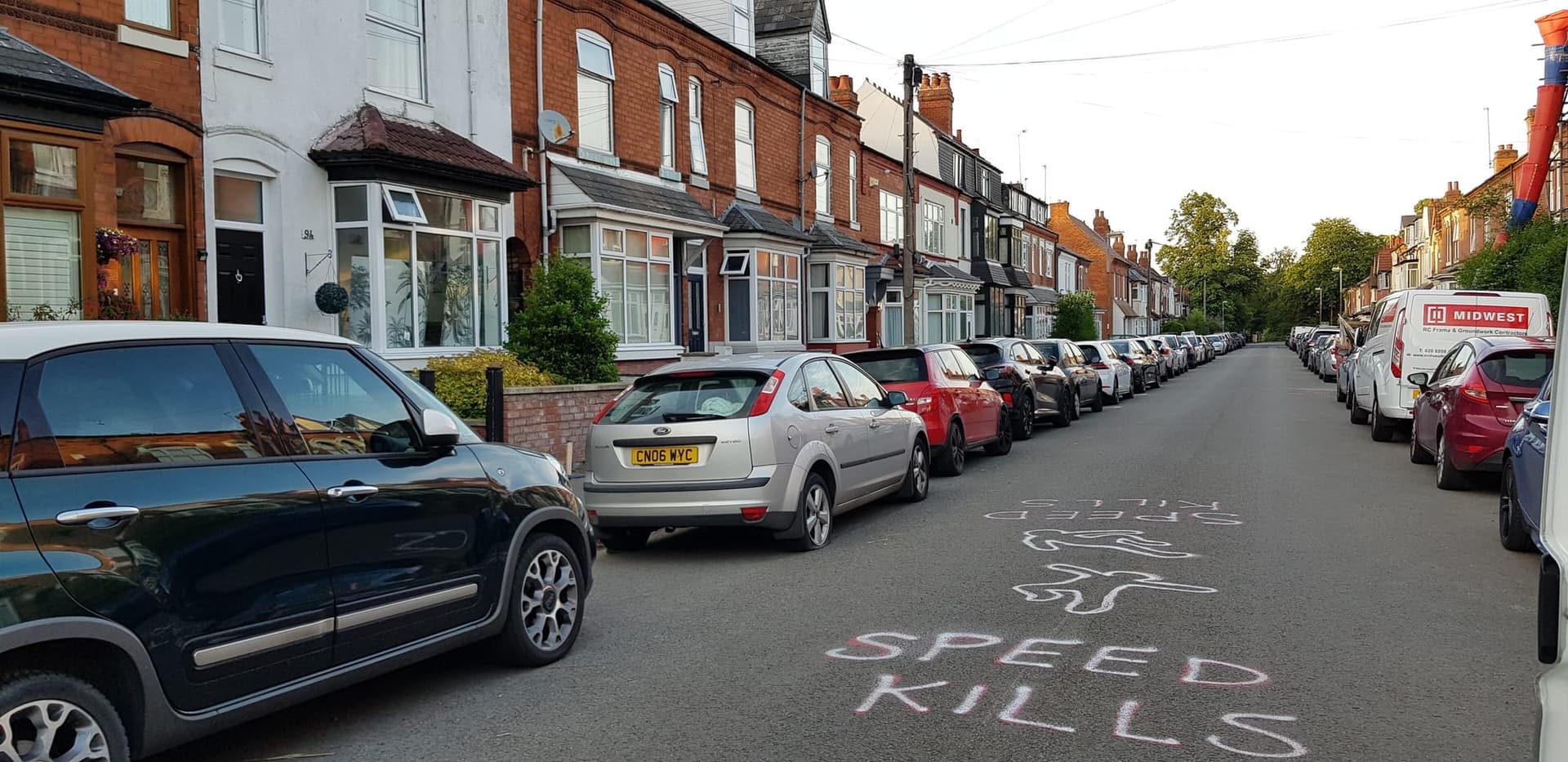
Streets such as Westfield Road, Valentine Road and the roads off the High Street are lined with bay-fronted terraces that have a narrower two-storey outrigger at the back. A single rear dormer on the main roof gives one good bedroom. Joining it to a second dormer over the outrigger gives an L-shaped floor, usually a bedroom across the back with an en-suite or a small study over the outrigger.
Because there is no conservation area here, the planning question is mostly about size. Terraced houses have the smaller permitted development allowance of 40 cubic metres, counting anything added to the roof before, and an L-shaped dormer can use most of it. The volume is calculated from the measured survey, and a Lawful Development Certificate confirms the position in writing.
Neighbours on both sides
Most Kings Heath houses are mid-terrace, so the new steels and joists usually bear on both party walls and the outrigger dormer runs to the boundary. Party wall notices go to both neighbours under the Party Wall etc. Act 1996 before work starts. Where the neighbours have already converted their own loft, their dormer often sets a helpful precedent for heights and finishes.
Rear access is the other practical point: many terraces have only a shared entry or a narrow back lane, so scaffold, skips and deliveries are planned around the street.
Kings Heath's terraced side streets and the Camp Hill line
Birmingham City Council's King's Heath Local Action Plan, adopted as a supplementary planning document in January 2006, describes the streets either side of the High Street and Alcester Road South as mainly pre-1919 Victorian and Edwardian terraced houses, most of them privately owned. The roads it names include Station Road, Grange Road and York Road, and the residential streets east of the High Street around Valentine Road and Springfield Road. The council's local history pages explain the age of these streets: the railway station opened in 1840, the district grew quickly after 1850 and the trams arrived in 1886.
The plan also confirms there is no conservation area inside its boundary. Its listed buildings are the Hare and Hounds at the corner of the High Street and York Road and All Saints' Church, both Grade II, and the former button factory at 37 Avenue Road is locally listed. None of these is a terraced house, so on these streets a loft conversion turns on the national permitted development limits and the party walls rather than on heritage consent.
If your garden backs on to the Camp Hill line, there is one more step. The new Kings Heath station opened on 7 April 2026, the first passenger service from here to the city centre since 1941, and Network Rail asks anyone planning work on or near the railway to contact its Asset Protection team first. It lists roof work, scaffolding and house extensions among the domestic projects it covers and aims to give an initial response within five working days, so where a scaffold or skip would stand by the railway fence, it is worth sending that enquiry before the start date is fixed.
Questions from Kings Heath
Is Kings Heath in a conservation area?
No. Birmingham City Council's list of 29 conservation areas (updated June 2026) has none in Kings Heath, so the normal permitted development rules apply to its houses. Neighbouring Moseley is different: much of it is covered.
Can I build an L-shaped dormer on my Kings Heath terrace without planning permission?
Often, if the new roof volume including any earlier roof extensions is no more than 40 cubic metres and the work meets the other permitted development conditions. It is measured at the design stage, and a Lawful Development Certificate confirms it.
What if my neighbour has already converted?
Their dormer does not change your allowance, but it shows what has been built on the street and can make the design simpler where the two meet at the party wall.
Ask about a loft conversion in Kings Heath
Give us the postcode and we will check the planning position for your street before we visit.