Loft conversions in Telford
Telford & Wrekin Council decides loft conversion applications in Telford, and the strictest local rule sits in the Ironbridge Gorge. Every house in the borough's part of the World Heritage Site is covered by an Article 4 direction that brings roof alterations, rooflights and dormers under planning control wherever they face a road, a waterway or open space, and most of the Gorge is also the Severn Gorge conservation area. On most of the new-town estates, the national permitted development limits apply instead.
- Planning authority
- Telford & Wrekin Council
- Conservation areas relevant to houses
- The Severn Gorge; Wellington; Horsehay and Spring Village (8 in the borough)
- Article 4 directions
- Every house in the Ironbridge Gorge World Heritage Site (Article 4(2), since 1998, amended 2012)
- Typical houses
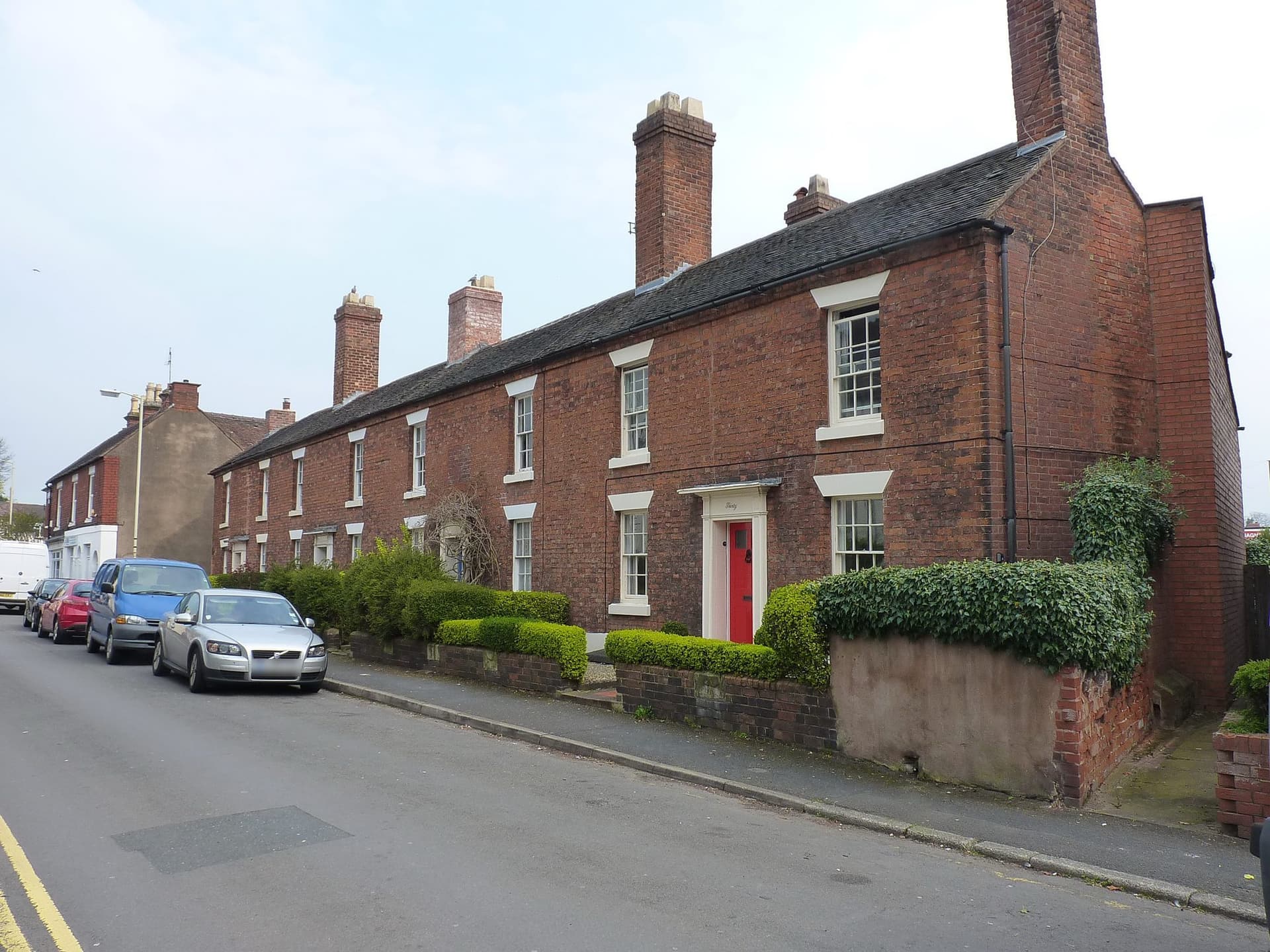
- New-town estate houses, interwar semis, Wellington's brick terraces, older brick houses in the Gorge
- Postcodes
- TF1 to TF8
The Gorge: an Article 4 direction on every house
The Ironbridge Gorge World Heritage Site takes in Coalbrookdale, Ironbridge, Coalport, Jackfield and parts of Madeley. Its Article 4(2) direction has been in place since 1998 and was amended in December 2012. For houses, it removes permitted development rights for any alteration to the roof, and for adding or replacing windows, including rooflights and dormers, on any side of the house that fronts a highway, a waterway or open space. On the valley sides, that can catch a rear slope that looks over the river or open ground, not only the front.
The council's Ironbridge Gorge World Heritage Site SPD, adopted in July 2023, sets out what it expects on roofs. New dormers should only be introduced where there is a historic precedent, and should reproduce historic detail accurately. Rooflights will be resisted unless they can be justified and sit somewhere discreet, and then flush conservation rooflights of metal construction are expected. Interlocking concrete tiles and artificial slate are not suitable, and modern flat roofing should only be used where it cannot be seen from public places, which makes a flat-roofed box dormer hard to justify on any slope seen from the street.
Wellington and Horsehay
Wellington's conservation area covers the old market town centre, where much of the building is in commercial use, and quieter streets such as Park Street, with its two- and three-storey red brick terraces. The council's 2022 appraisal recommended against an Article 4 direction there, so the only extra control on houses is the conservation area itself: a dormer or hip-to-gable needs planning permission, while rooflights can often still go in as permitted development.
Horsehay and Spring Village, in the Dawley area, is the third conservation area inside the town. The borough's other five cover Newport and outlying villages.
New-town estates: trusses, pitches and volume
Much of Telford's housing is on the estates built as the new town grew, from Brookside, Sutton Hill and Woodside to newer roads at Lawley and Priorslee. Outside the conservation areas these follow the national rules: 40 cubic metres of extra roof volume on a terraced house and 50 on a semi or detached house, nothing on the slope facing the road, a 20cm set-back from the eaves where practicable, and side windows obscure-glazed and fixed below 1.7 metres.
On these houses the roof structure matters more than planning. Many homes built from the 1960s onwards have trussed rafters, a web of timbers filling the loft that holds the roof up. The webs cannot simply be cut out: a structural engineer designs steel beams and new floor joists to carry the roof first. Pitches on estate houses are often too shallow for a rooflight-only room, so a rear dormer usually provides the headroom. Interwar semis with hipped roofs, found in older parts of the town such as Oakengates, suit a hip-to-gable with a rear dormer instead.
Questions from Telford
Do I need planning permission for a loft conversion in Ironbridge?
For a dormer, almost always. Most of the Gorge is a conservation area, where roof extensions are not permitted development, and the Article 4 direction covers roof alterations, rooflights and dormers on any side of a house facing a highway, waterway or open space. A rooflight on a slope that faces none of those may not need permission, and the council runs free planning surgeries for World Heritage Site residents.
Is Madeley in the World Heritage Site?
Partly. The site includes parts of Madeley along with Coalbrookdale, Ironbridge, Coalport and Jackfield, while most of Madeley and Woodside are residential areas outside it. The Article 4 direction only applies inside the boundary, so check the council's map for your address.
Can a house with trussed rafters have a loft conversion?
Usually, yes. A structural engineer designs steel beams and new floor joists to carry the roof, and these go in before any part of the trusses is cut. Building Regulations approval covers the structure, the new staircase, the fire escape route and the insulation.
Ask about a loft conversion in Telford
Give us the postcode and we will check the planning position for your street before we visit.